Skip to content
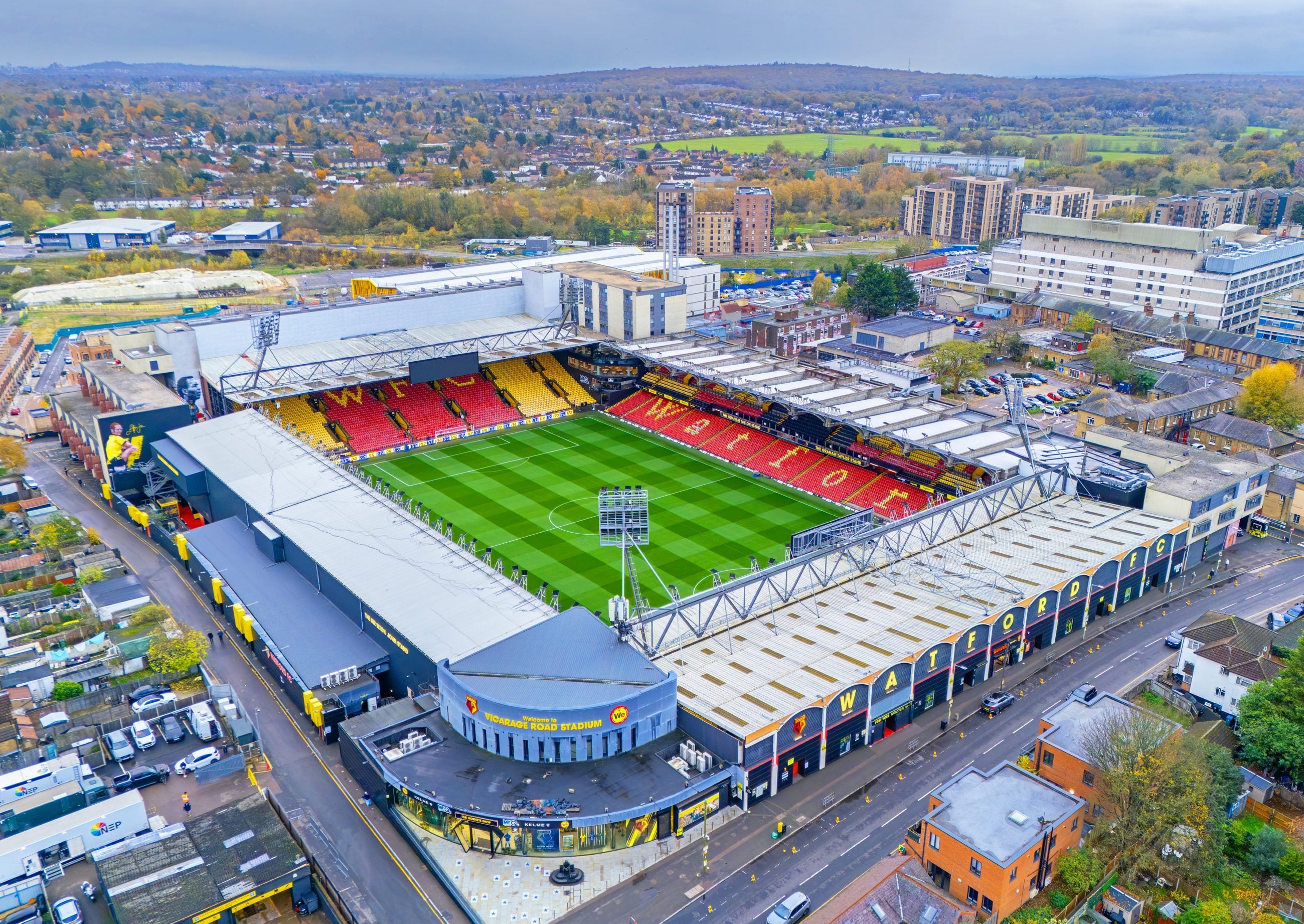
Aerial view of Vicarage Road Stadium, home of Watford FC

How Watford FC Is Modernising Facilities Management with 24/7 Software

From fragmented reporting to real-time work order visibility, Watford FC is building a more connected, proactive approach to managing its stadium and training ground operations.

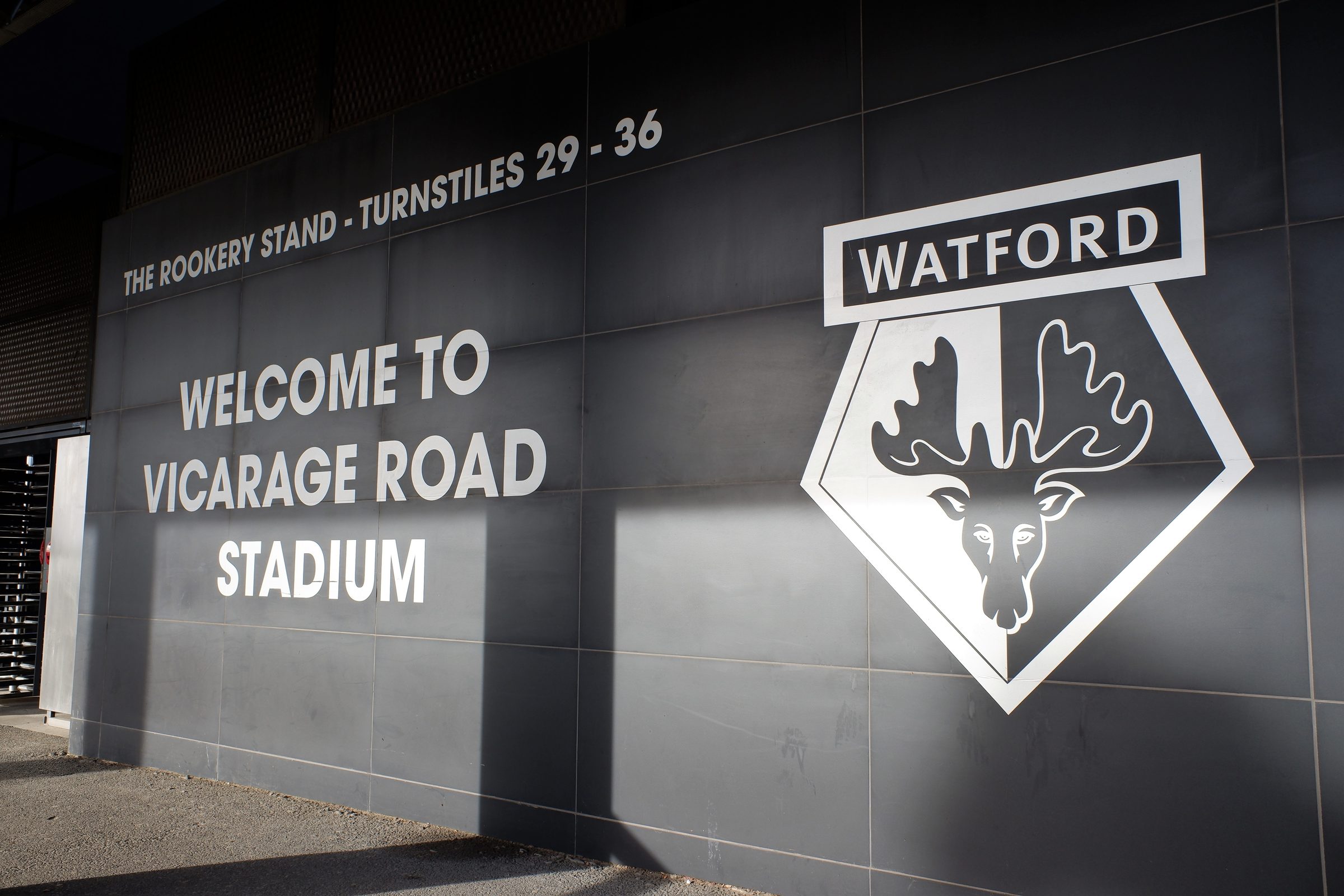
Welcome to Vicarage Road Stadium sign and Watford crest at the Rookery Stand

Background

Managing the Demands of a Historic Football Club

With a rich history and a 22,500-seat stadium, Watford FC operates in an environment where maintaining facilities, responding to issues and preparing for match days are essential to delivering a safe and reliable experience for everyone on site.

The Club’s facilities operations span two distinct environments: Vicarage Road Stadium and its training ground in London Colney.

Stadium: Vicarage Road Stadium, 22,500 seats
Training ground: London Colney
Focus: Work orders, asset register, inspections and planned preventative maintenance

At Vicarage Road, the facilities team is responsible for maintaining an ageing stadium while supporting the demands of match days, day-to-day operations and multiple on-site departments and partners. The stadium is also home to third-party contractors, catering operations, Watford FC’s charitable trust and NHS office space.

Meanwhile, the training ground houses much of the Club’s office staff and leadership, creating a different set of operational priorities. While stadium maintenance is heavily focused on match-day readiness, the training ground requires a particularly responsive approach to resolving day-to-day issues.

Supporting both facilities is a relatively lean team of permanent cleaning and maintenance staff, supplemented by casual and agency personnel as required.

Like many established sporting venues, Watford FC faces the challenge of maintaining ageing infrastructure while balancing reactive maintenance with longer-term asset planning.

For the Club, improving visibility into maintenance activity and creating a more structured approach to managing work across its facilities became an important priority.

The Challenge

Moving Beyond Emails, Calls and Spreadsheets

Before implementing 24/7 Software, Watford FC had no centralised system for tracking facilities issues and maintenance requests.

Jobs were reported through a combination of emails, phone calls and WhatsApp messages, leaving the Facilities Manager and Maintenance Manager responsible for receiving, coordinating and following up on requests.

An Excel spreadsheet was eventually introduced to provide a clearer picture of outstanding work, but the team still lacked a dedicated system for managing requests, tracking progress and building a reliable history of maintenance activity.

Without centralised reporting, it was difficult to identify recurring problems, understand where resources were being directed or use maintenance data to support decisions about repairing or replacing ageing assets.

The Club needed a solution that would simplify reporting for staff, improve visibility for the facilities team and establish a stronger foundation for preventative maintenance.

The Decision

Choosing a Partner for Long-Term Improvement

When Watford FC began evaluating computer-aided facilities management (CAFM) solutions, the Club considered three providers over several months.

Beyond the functionality of the platform, the knowledge, responsiveness and commitment of the 24/7 Software team played an important role in the decision.

“24/7 stood out as the flying winner. A lot of it was down to the people working for 24/7, who I could tell were really passionate about the product and extremely informative and knowledgeable, which gave me confidence in the product.”

— Watford FC

That confidence has continued throughout implementation, with the Club working closely with the 24/7 Software team to configure the system and begin bringing its facilities operations onto a single platform.

Early Results

Bringing Greater Visibility to Daily Operations

With the rollout underway, Watford FC has already made meaningful progress in how maintenance requests are submitted, managed and tracked.

Rather than relying on staff to contact the Facilities Manager or Maintenance Manager directly, the Club now has a single process for reporting jobs through 24/7 Software.

Work orders are being managed centrally, giving the team real-time visibility into reported issues across both event and non-event days.

This has made it easier to understand what needs attention, where issues are occurring and who has submitted each request.

For a facilities team responsible for match-day readiness, that visibility is particularly valuable.

During busy event days, issues can be logged and tracked as they arise, helping the team respond more quickly and maintain a clearer picture of outstanding work.

The system is also supporting the scheduling of project work, allowing the team to plan activities around existing commitments and avoid overloading maintenance resources.

“Work orders have been a saving grace, giving us real-time tracking on all work orders being submitted, both on event days and non-event days. This means the team can respond quicker to real-time issues when they arise.”

— Watford FC

Beyond improving responsiveness, centralised work order management is helping reduce the administrative burden of coordinating requests through multiple channels.

For the Facilities Manager, this has already made day-to-day workload management easier, while giving staff across the Club a more consistent way to report issues.

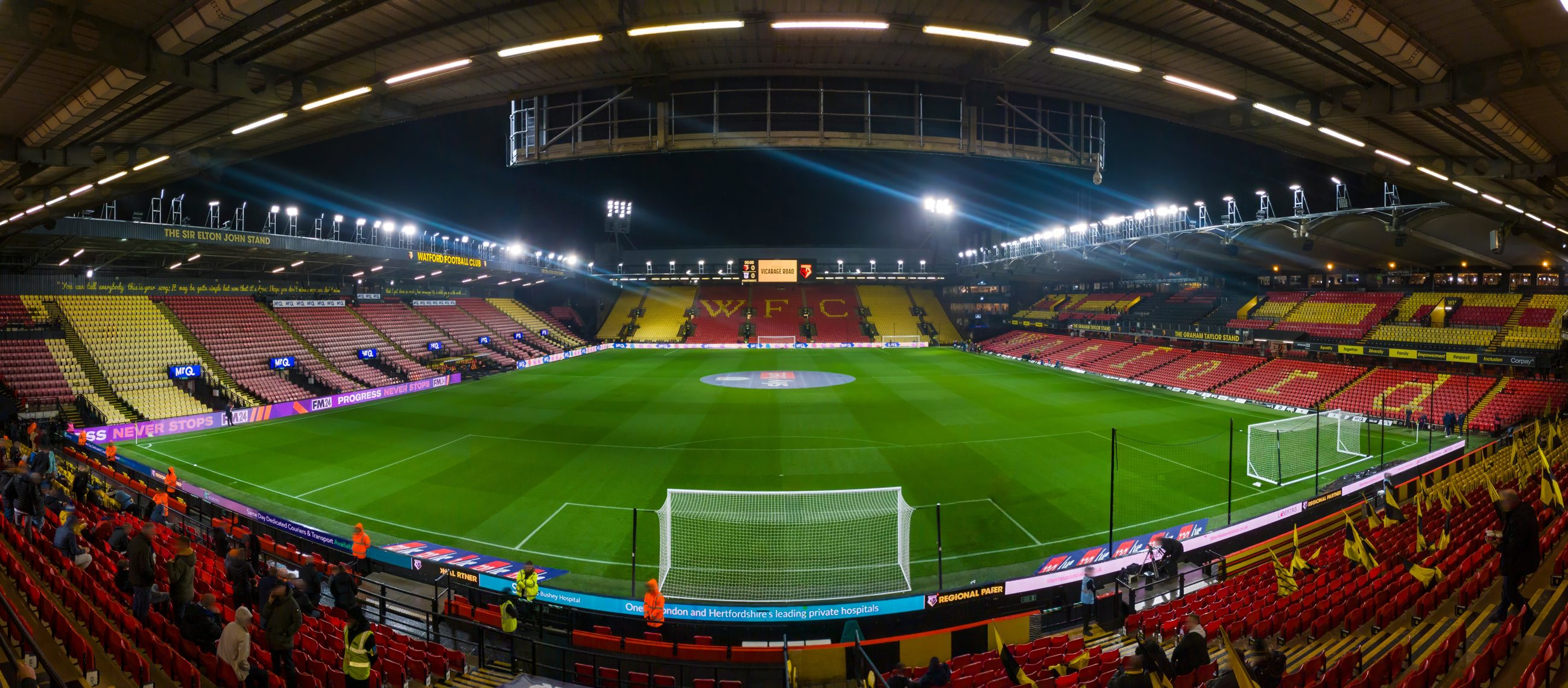
Vicarage Road Stadium under floodlights on a match day

Preventative Maintenance

Building a Foundation for Preventative Maintenance

While improving work order management has been an immediate priority, Watford FC is also using the implementation of 24/7 Software to establish a more comprehensive approach to asset management and planned preventative maintenance (PPM).

Historically, much of the stadium’s maintenance activity has been reactive, with issues addressed as they arise.

As the Club continues to assess the condition of its ageing infrastructure, it is increasingly looking towards preventative maintenance and longer-term asset replacement planning.

A key part of that transition involves building a detailed asset register, documenting existing inspection activity and introducing PPM schedules into the system.

The process has also revealed the extent of the work already being carried out by the facilities team.

During implementation, the Club identified a greater volume of pre-event and post-event checks than initially anticipated, many of which had previously been completed without centralised tracking or monitoring.

Bringing these activities into 24/7 Software will help create a clearer record of inspections and maintenance activity, supporting greater accountability and consistency across operations.

Watford FC building exterior with club crest and lettering

Better Decisions

Turning Maintenance Data into Better Decisions

For Watford FC, the long-term value of centralising facilities management extends beyond tracking and completing individual jobs.

As more assets, inspections and maintenance schedules are added to the platform, the Club expects to build a stronger understanding of asset condition, recurring issues and maintenance requirements.

This information will help the facilities team evaluate when repairing an asset remains practical and when replacement may be the more appropriate long-term investment.

It will also support more informed conversations with Club leadership about future capital expenditure.

Rather than relying solely on reactive requests or individual observations, the team will be better positioned to present maintenance history and asset information when making recommendations.

For an established stadium with ageing infrastructure, this represents an important step towards more proactive financial and operational planning.

Looking Ahead

A More Connected Facilities Operation

Watford FC’s implementation of 24/7 Software is ongoing, with the Club focused on expanding its use of the platform over the next year.

Its priorities include bringing all inspections and vendors into the system, uploading at least 80% of its assets and establishing planned preventative maintenance schedules.

Priorities for the next year:

  • Inspections and vendors: Bringing all inspections and vendors into the system
  • Asset register: Uploading at least 80% of its assets
  • Planned preventative maintenance: Establishing planned preventative maintenance schedules
  • Emerging capabilities: Including AI, to further support facilities management processes

As these elements are introduced, the Club expects to gain an increasingly comprehensive view of its facilities operations, helping the team improve planning, allocate resources and make better-informed decisions.

The Club is also looking ahead to how emerging capabilities, including AI, could further support its facilities management processes.

Although the rollout is still progressing, the impact on day-to-day operations is already being felt.

“The entire operation is becoming slicker, from the direct reporting, utilising it for work orders, ensuring everything is tracked and logged on a busy match day so we can be more responsive on event days. The system has changed our operation for the better.”

— Watford FC

For Watford FC, the move to 24/7 Software is creating a more structured, visible and responsive facilities operation, with a foundation in place to support continued improvements across its stadium and training ground.

As the Club builds out its asset data, inspections and preventative maintenance programmes, it is positioning its facilities team to move beyond managing immediate issues and towards a more informed, proactive approach to venue operations.