
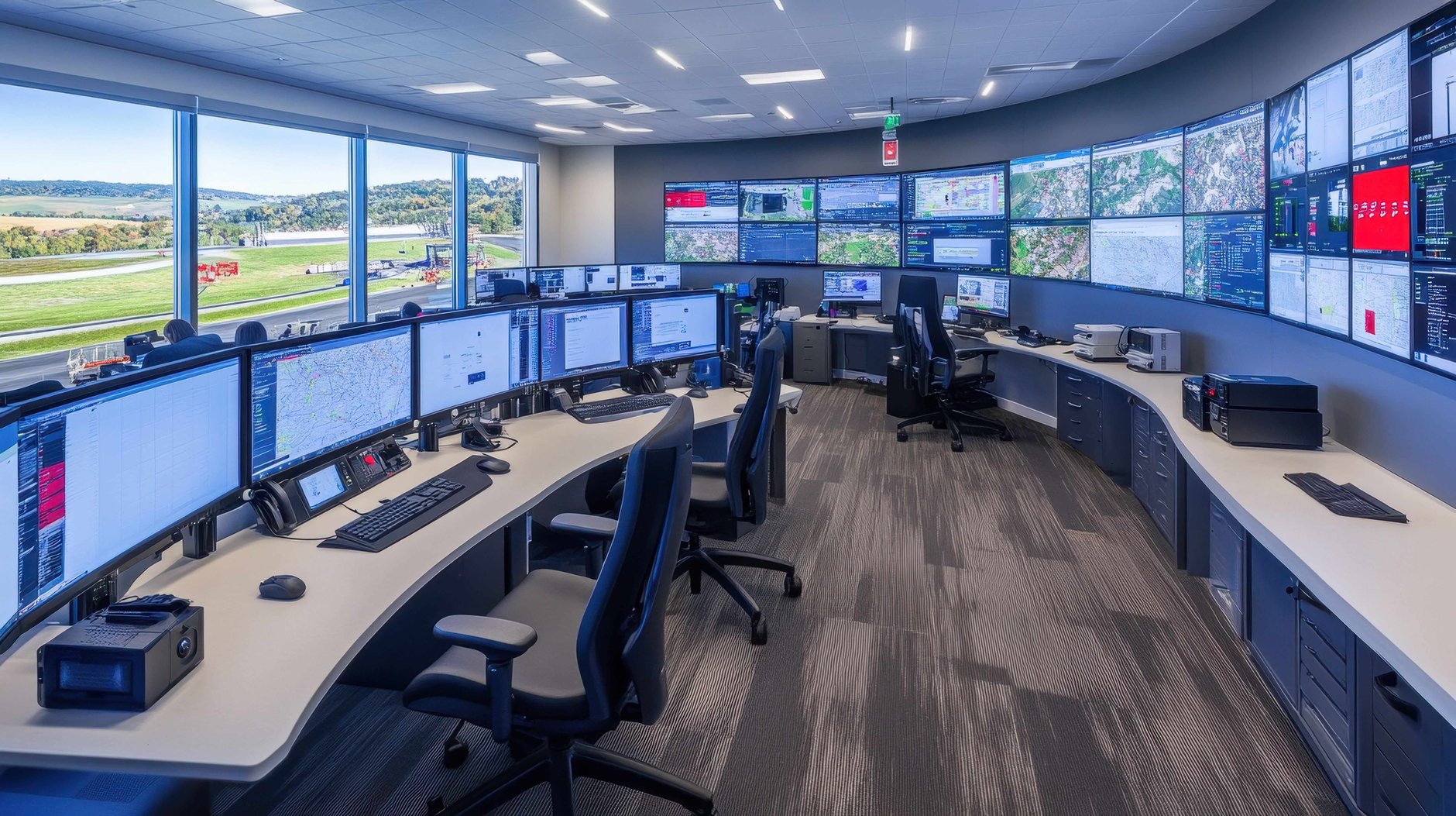
Modern sports and entertainment venues function as complex ecosystems that require synchronized effort across security teams, guest services, and command centers. As these spaces grow in scale, the ability to manage them effectively hinges on one major shift: moving from a reactive posture to a proactive one.
What is the only way to make that possible? Developing data-driven decision-making that allows operators to anticipate challenges before an incident occurs.
This article explores the necessity of key performance indicators (KPIs) and provides a road map for implementing them through modern venue management software to enhance safety and fan satisfaction.
Moving Beyond Reactive Management with Data-Driven KPIs
The problem with traditional operations is that relying on anecdotal feedback or gut feelings can create a permanently reactive environment. In these scenarios, teams are forced into a defensive position, responding only after an issue has already impacted the fan experience.
To break this cycle, data is required to unify diverse departments under a shared definition of success. This ensures that every staff member, regardless of their role, is working toward the same organizational goals.
Once this shared language is established, high-visibility metrics provide the objective clarity needed to identify operational gaps. These small friction points often remain invisible in the heat of a live event but eventually lead to larger failures.
Establishing a data-driven foundation is the first step toward long-term operational predictability. When you use venue management software to track these metrics, you replace the chaos of guesswork with the precision of actionable intelligence.
Scaling Impact Through Interoperability and AI
As operations become more complex, the need for integrated systems becomes undeniable. Integrating disparate software into a single pane of glass allows for automated workflows and total cross-departmental visibility.
This centralized data provides critical context that safety teams previously lacked. For instance, a modern system can link a weapons detection alert directly to a specific incident response and its final resolution, creating a complete digital paper trail that proves the venue met its safety obligations.
Many modern platforms now use AI to recognize recurring patterns that human operators might miss. If data shows surges at specific gates, the system can alert managers to reallocate staff before those lines become a source of frustration for fans. This real-time performance monitoring is delivered through digital dashboards, allowing leaders to ensure strict adherence to safety protocols at all times. Ultimately, this leads to a significant reduction in liability because the venue can point to documented operational diligence and a history of tracking near-miss incidents.
A Practical Framework for Data Success
Building this culture of data does not happen overnight, but it can be simplified by following a structured framework:
- Identify outcomes that align with organizational priorities, such as reduced response times or increased preventive maintenance compliance.
- Focus on a limited number of core measurements per department to ensure the team remains focused and avoids the paralysis of data fatigue.
- Transition from manual logs to digital reporting within your venue management software to ensure data is captured in real-time and remains searchable for future audits.
- Use visual, role-based dashboards with color-coded cues (red, yellow, and green) to prompt immediate action without requiring deep data analysis.
- Establish recurring review loops after every event to analyze performance, refine emergency protocols, and allocate resources more effectively for the next game or concert.
Overcoming Practical Barriers to Adoption
Despite the clear benefits, implementing these changes often meets practical hurdles, the most common being data silos. A unified platform is necessary to bridge the gap between security, ticketing, and maintenance systems so that information flows freely.
Beyond the technology, resistance to change is common among frontline staff. To gain their buy-in, it is vital to communicate how these tools simplify their daily tasks rather than adding to their workload.
Reliability is the final piece of the puzzle, because insights are only as dependable as the information being fed into the system. This makes consistent and accurate data entry a top priority.
Building a culture that values data starts at the top, with leadership using these metrics to celebrate wins and inform strategic shifts. When venue management software becomes the central source of truth, the entire organization benefits from increased clarity and shared purpose.
Moving Toward Proactive Operations
The future of the sports and entertainment industry belongs to organizations that can successfully transform raw data into decisive action, because the ability to interpret information quickly is what separates elite operations from those that are constantly playing catch-up.
This KPI-driven management style effectively bridges the gap between daily tasks and long-term strategic goals, ensuring that safety and efficiency are built into the foundation of every event. When data becomes a shared language, it can align priorities across the entire organization and strengthen team collaboration.
By adopting a unified platform, operators gain the speed and clarity needed to make informed, confident decisions even in high-pressure environments. To see how a proactive operations platform can simplify your venue's coordination and enhance the fan experience, book a demo with the 24/7 Software team today.

.jpeg?width=960&length=960&name=Image%20(2).jpeg)