College athletics operations are complex by nature. Across a single program, teams may be responsible for football stadiums, basketball arenas, baseball and softball complexes, soccer fields, training facilities, and other venues across campus. On a busy weekend, several may be active at the same time.
Behind each event is another layer of complexity. Athletics staff may be coordinating with security, guest services, facilities teams, campus police, EMS, fire personnel, student workers, interns, and other campus partners, often with a relatively small core team keeping everything moving. The challenge isn't simply managing multiple facilities. It's giving everyone involved the information, tools, and visibility they need to work together effectively.
The Challenge of Doing More With Lean Teams
College athletics departments often rely on a mix of full-time staff, student workers, interns, seasonal employees, and campus partners. When processes depend on spreadsheets, paper checklists, group texts, radio conversations, or knowledge held by a few experienced employees, maintaining consistency can be difficult.
A more connected approach gives teams a common framework for completing inspections, reporting incidents, assigning tasks, documenting activity, and following issues through to resolution. The goal isn't to add another complicated system. It's to make gameday processes easier for everyone involved.
1. Make Gameday Processes Easy to Learn and Use
Technology only helps if people can actually use it. That's especially important in college athletics, where interns, student workers, and event-day staff may need to learn operational processes shortly before their first event.
Standardizing core workflows makes it easier to bring new team members into the operation while maintaining consistency across venues. A football game and a volleyball match will have different requirements, but the processes for documenting incidents, completing tasks, and communicating important information can remain consistent. For lean teams, that means less time spent training and more time focused on the event.
2. Connect the Systems Already Supporting Gameday
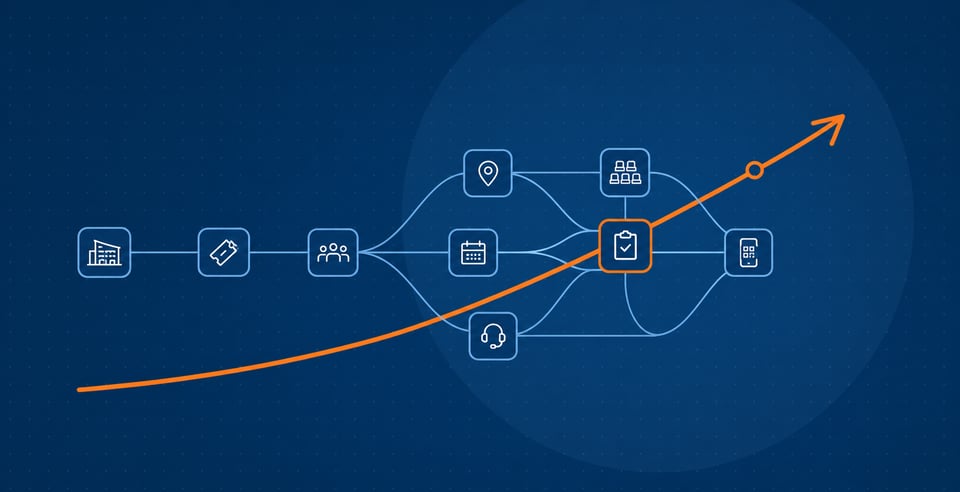
Athletics operations increasingly depend on multiple technologies. Ticketing systems, weather monitoring tools, video management systems, weapons detection technology, and other platforms may all play a role in a single event.
When these systems operate independently, staff may find themselves monitoring multiple platforms while communicating over radio, text, and email. Connecting relevant systems and operational information can reduce those silos, helping teams respond faster and maintain greater situational awareness without replacing the technology they already rely on.
3. Keep Gameday Stakeholders Connected
Successful gamedays depend on communication across athletics staff, campus police, fire, EMS, security, guest services, facilities teams, and other stakeholders. When an incident occurs, everyone involved needs to understand what happened, who is responding, and what action is required.
A centralized incident management and dispatch process can provide a shared operational picture, helping stakeholders coordinate activity from the initial report through resolution. Communication with fans is another important part of that picture. Two-way communication gives attendees a way to ask questions or report concerns while allowing operations teams to share important information, including weather alerts or event-related instructions.
4. Create Visibility Across the Athletics Operation
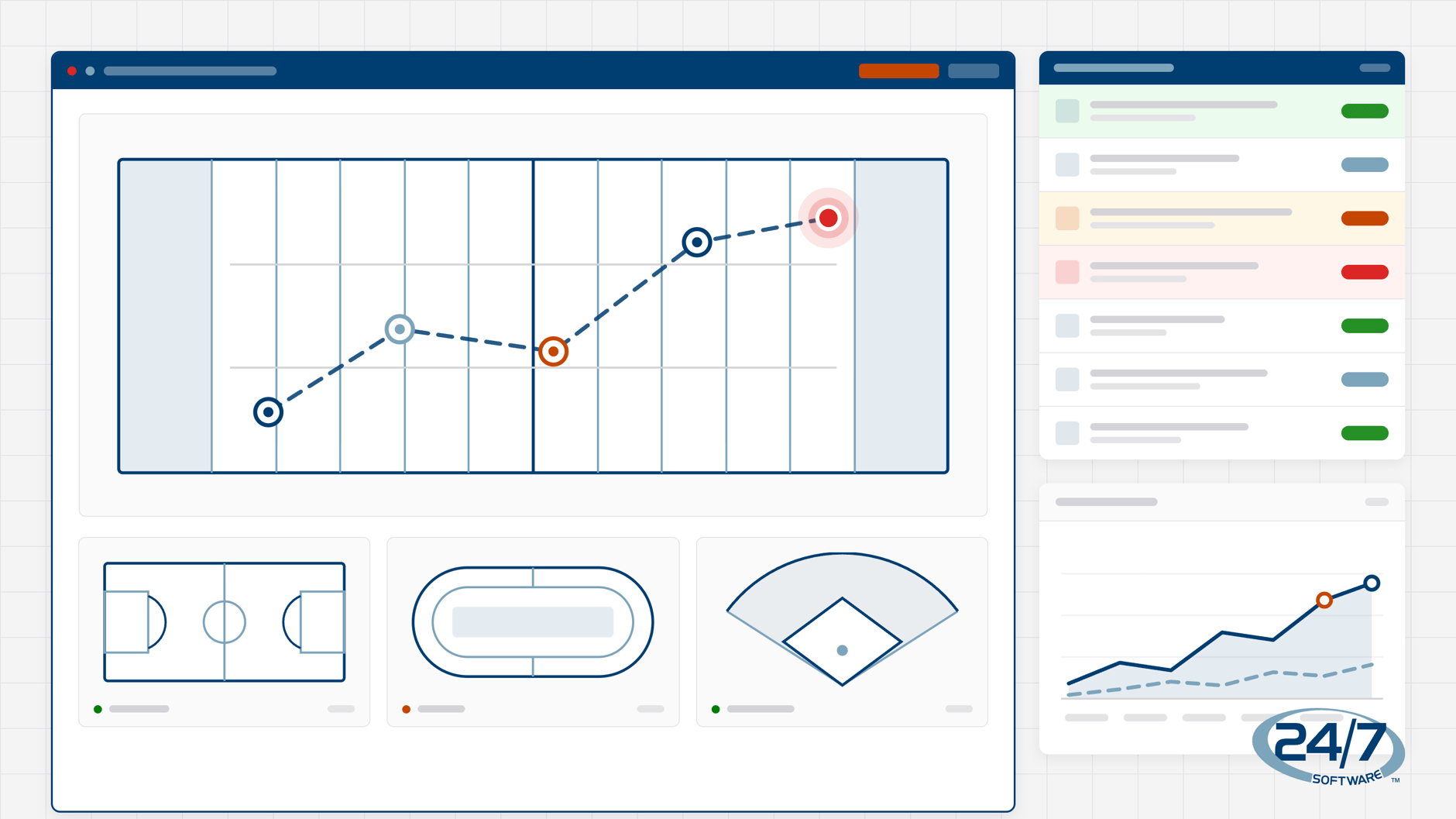
Individual venue managers need visibility into their events, while athletics leadership needs a broader view. Centralizing operational information allows leaders to see incidents, inspections, tasks, and follow-up activity across multiple venues without relying on individual teams for updates.
That visibility is especially valuable when multiple teams are practicing, competing, or hosting events across campus. Leadership can quickly understand what requires attention, where resources may be needed, and how operations are performing across the department.
5. Turn Gameday Activity Into Better Decisions
The value of operational information doesn't end when the game does. Consistently documenting incidents, inspections, communications, and other activity allows athletics departments to identify trends across events, facilities, and seasons.
Leadership may uncover recurring maintenance concerns, areas that generate more guest-service incidents, common safety issues, or processes that create delays. Those insights can help teams improve planning, prioritize resources, and strengthen future gamedays while creating an operational record that can also support campus stakeholders responsible for safety, security, facilities, and emergency response.
Building a More Connected Athletics Operation
College athletics requires coordination across people, technology, public safety, and campus departments. For lean teams, creating stronger connections between the people and systems already supporting gameday can simplify operations and improve visibility.
24/7 Software brings incident management, inspections, tasks, communications, reporting, and operational data into one connected environment, helping athletics departments improve coordination while supporting the needs of the broader university community.